 Menu
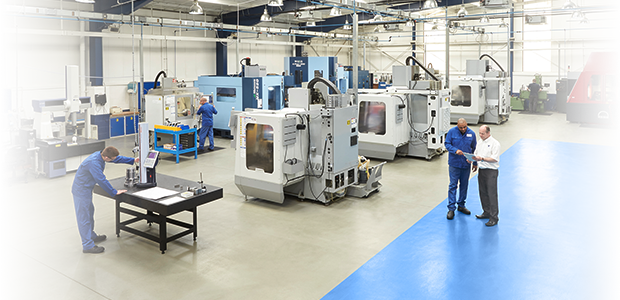
Inconel is specified when a component has to survive heat, pressure and corrosion at the same time. It is also, from a machinist’s point of view, deliberately awkward — the properties that make it valuable in service are the same ones that make it difficult to cut.
We machine it regularly. If you have an Inconel part that has been quoted high or turned down elsewhere, that is the enquiry we would like.
Why it is difficult
Inconel work-hardens as you cut it. Hesitate, let the feed drop or dwell in the cut, and the surface the tool is about to meet is harder than the material was a second earlier. The usual instinct when a cut is going badly — slow down — makes it worse.
It holds heat in the cutting zone rather than carrying it away in the chip, so the tool takes the thermal load. It is abrasive, so tool life is short and predictable only if you are measuring it. And it moves: residual stress released during machining will pull a part out of tolerance after the final cut if the sequence has not accounted for it.
None of that is insurmountable. It does mean the parameters have to be right from the first part rather than discovered across the batch, which is the difference between a shop that machines Inconel and a shop that has machined Inconel once.
How we approach it
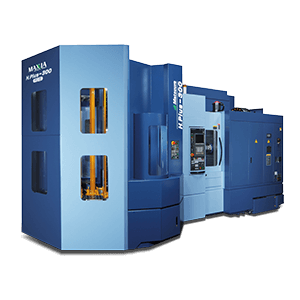
Proven speeds, feeds and tooling rather than a cautious guess. Rigid workholding through System 3R fixturing. Laser tool measurement on all our milling machines, so tool condition is measured rather than assumed — which matters more in an abrasive material than in anything else we cut.
Where a part needs several faces machined, five simultaneous axis machining in a single setup avoids re-clamping a component that has already had stress relieved into it.
Inspection and material verification
In-house CNC coordinate measuring with scanning and optical measurement, in a controlled environment.
Where the grade itself has to be proven, we verify composition with Positive Material Identification equipment. For nickel alloys that matters more than most: the grades look identical, cost very different amounts, and behave differently in service.
Where our Inconel work goes
Aerospace components, nuclear and power generation equipment, and oil and gas — particularly downhole and process equipment where the duty is hot, pressurised and corrosive at once.
Our customers are usually the equipment manufacturers rather than the operators, which means one-offs, prototypes and small batches to drawing rather than volume production.
The other alloys
If you are machining Inconel you are probably also dealing with Waspaloy, Hastelloy, Monel or super duplex somewhere in the same assembly. We machine all of them, and we are happy to quote a whole drawing rather than just the difficult parts of it.
Send us the part
A drawing or 3D model, the grade, the quantity and any inspection requirement. If it has been refused elsewhere, say so — it is useful to know what the last shop found difficult.